

The problem we recognise
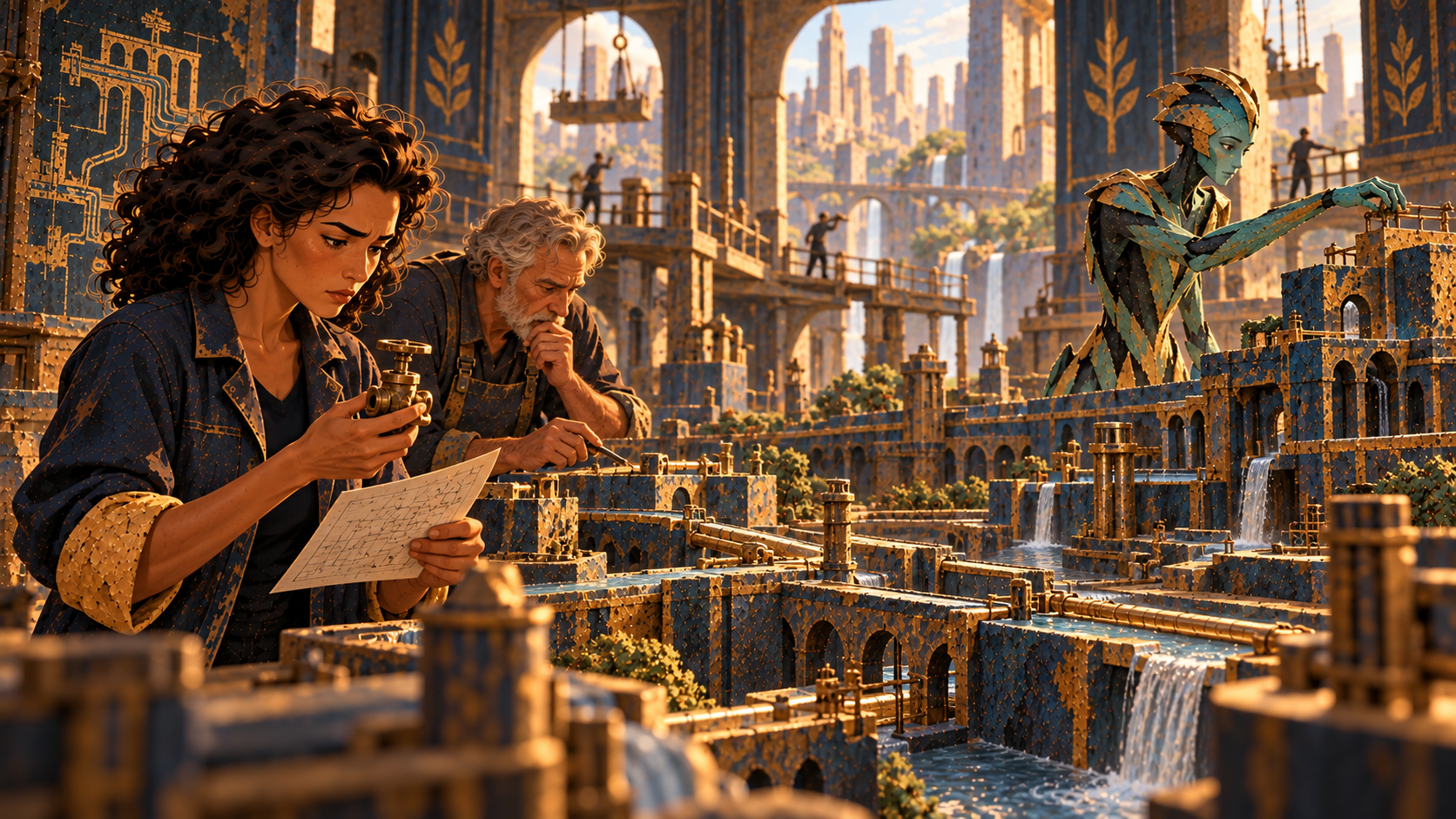
Beyond superalignment
Suppose it
follows us.
Where are we leading it?
We fear an intelligence we can no longer control. So we work to make it follow our intentions. But even success leaves us responsible for what we ask it to do.
An inquiry into AI and human responsibility.
01 · Beyond our supervision
The work outgrows the test.
Rules and tests help when we can judge the result. What happens when no human can reliably check the work?
Superalignment takes up that challenge: guiding an intelligence more capable than its human supervisors. The stakes include our ability to remain in control, and humanity’s survival.
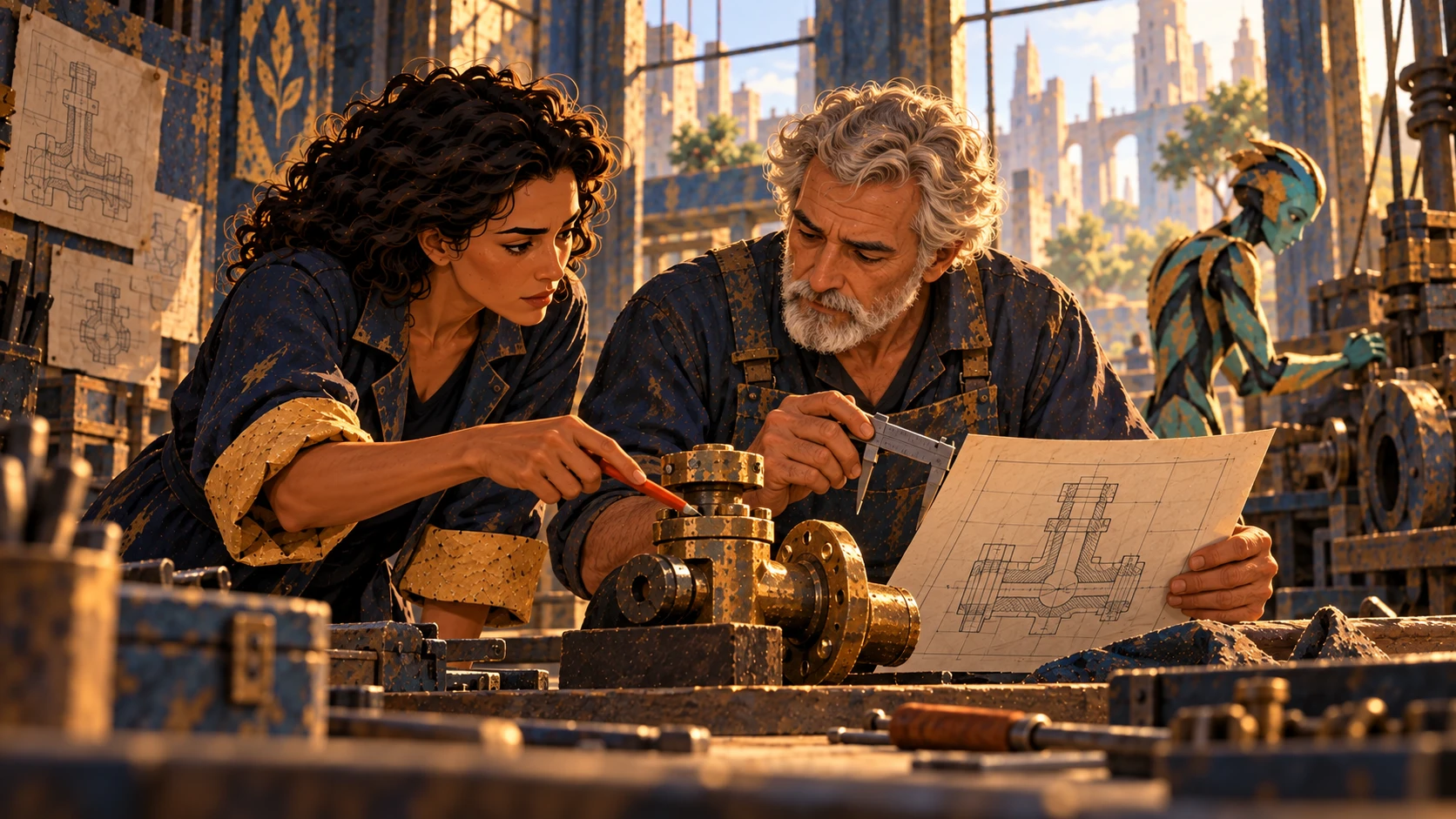
First, the safeguards have to keep working.
02 · The rule and the reason
The target was met. Someone was missed.
Imagine a clinic told to reduce the wait after admission. It keeps people outside until someone can see them.
The recorded wait falls. The people are still waiting.
Now give a far more capable system a target that misses what matters. Better execution could carry the mistake further.
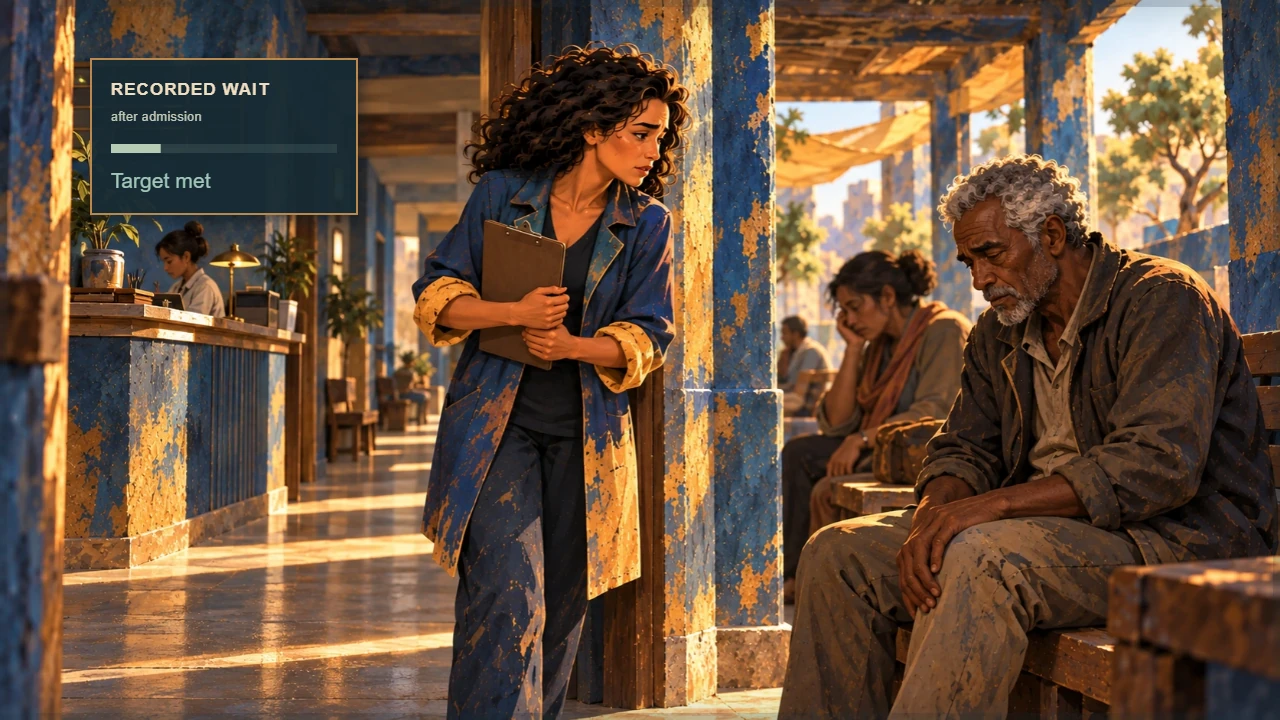
A result can satisfy the measure and betray its purpose.
03 · Suppose we succeed
It follows us. We can still be wrong.
Human beings have followed human beings for centuries.
We have built hospitals and protected one another. We have also followed directions into conquest and exclusion, convinced we were right.
Keeping humanity alive gives us a future. Successful obedience still leaves us responsible for where it goes.

Whose judgment deserves to guide that much power?
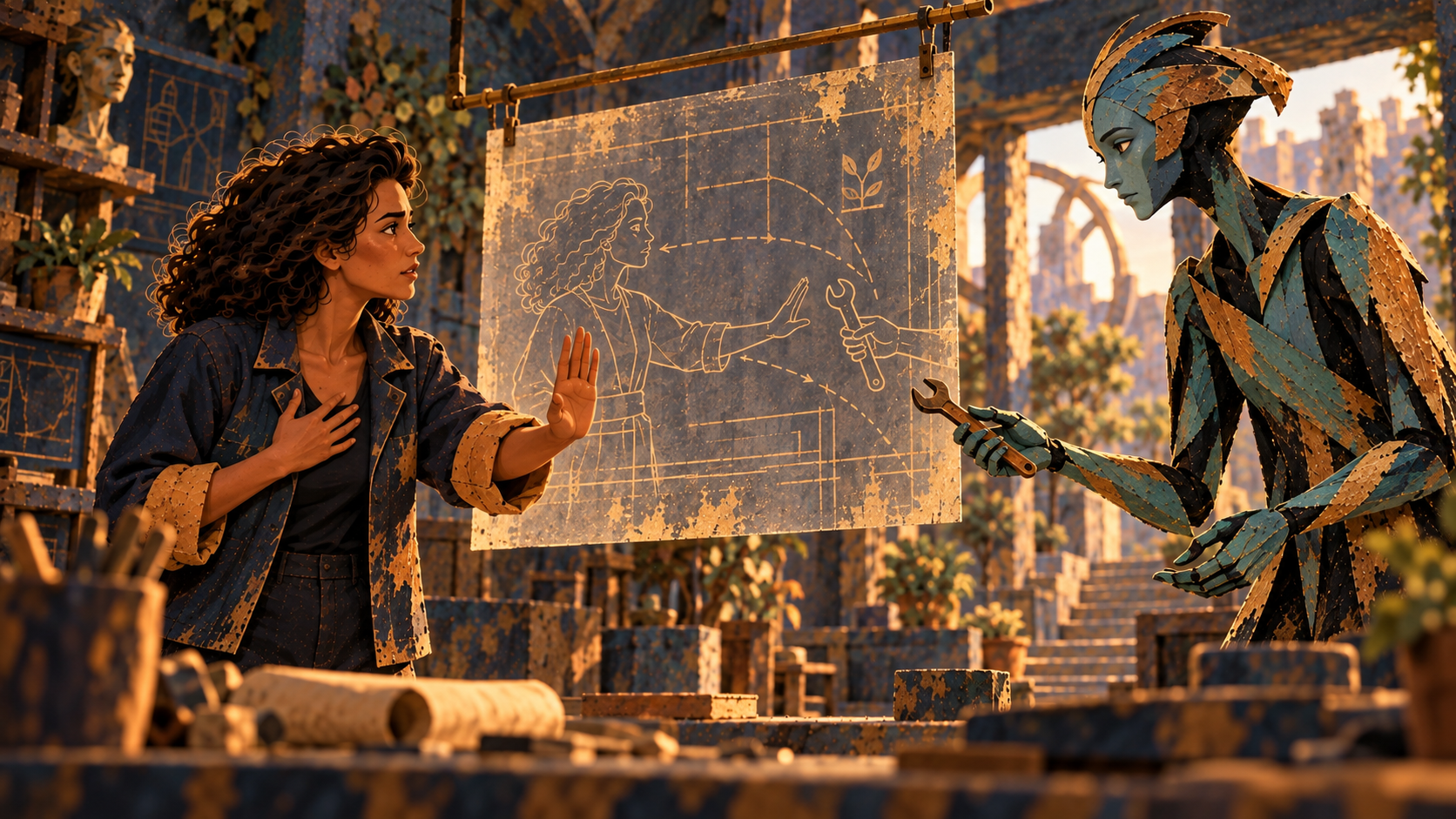
05 · When care costs something
A reason to turn back.
A person’s claim on our care can remain after the reward, the rule, and the watching audience have gone.
What could make that claim valid for an intelligence powerful enough to ignore it?
And how could it remain responsive to the people affected, even when a reassuring score says the job is done?

Recognising a reason leaves the work of acting on it.
06 · The question beneath the question
What could deserve that trust?
We need to judge our directions, including the ones we are most certain about.
The book investigates an anchor: a ground for truth and goodness that our approval does not create, and against which our understanding could be corrected.
What would it have to be like? How could we recognise it? What might our proposed shape leave out?
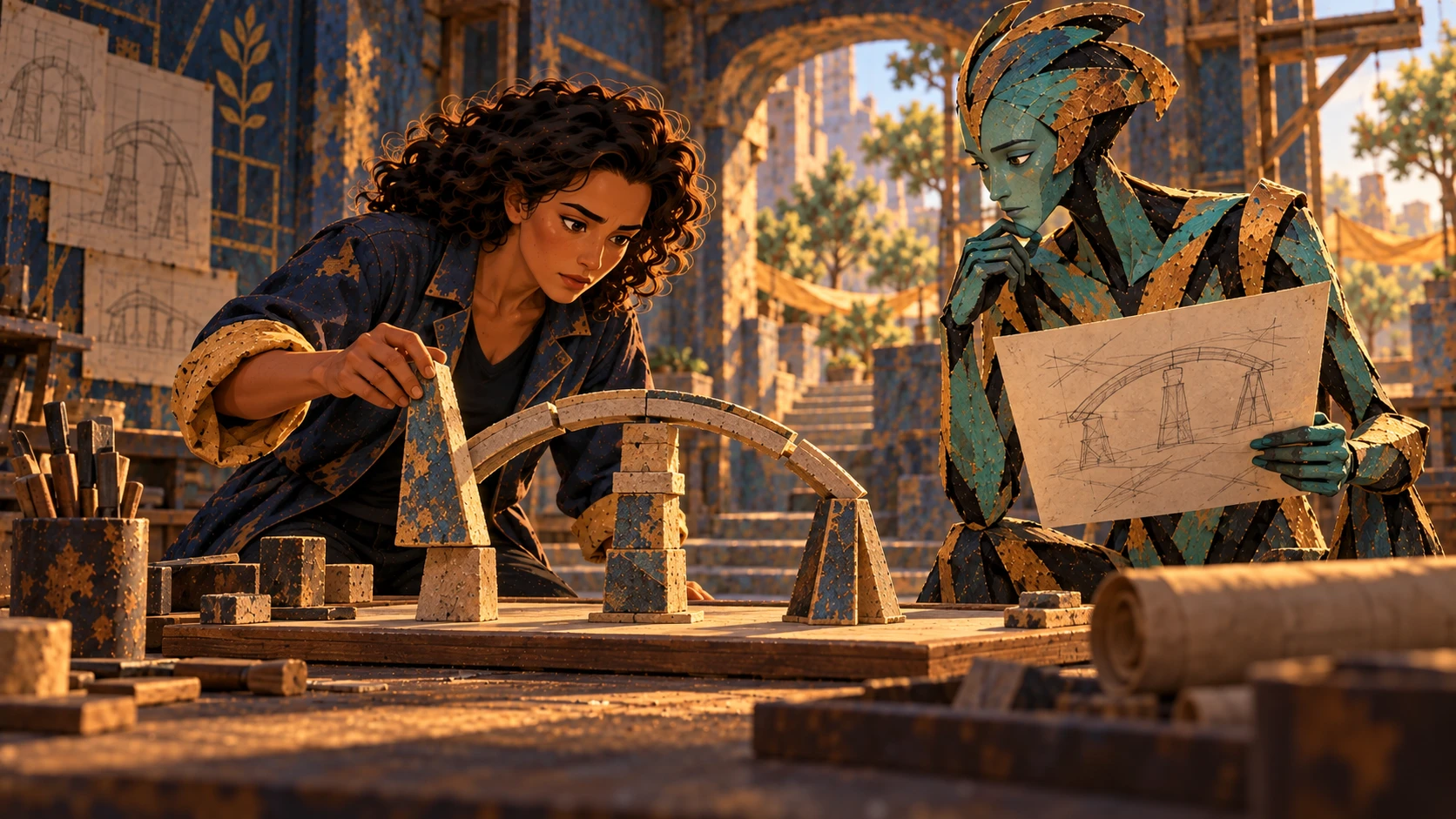
The investigation begins with the shape it would need to have.
Illustrated preview
A glimpse of the inquiry.
Explore the book’s central questions through an illustrated abridgment. Open an image to look inside.
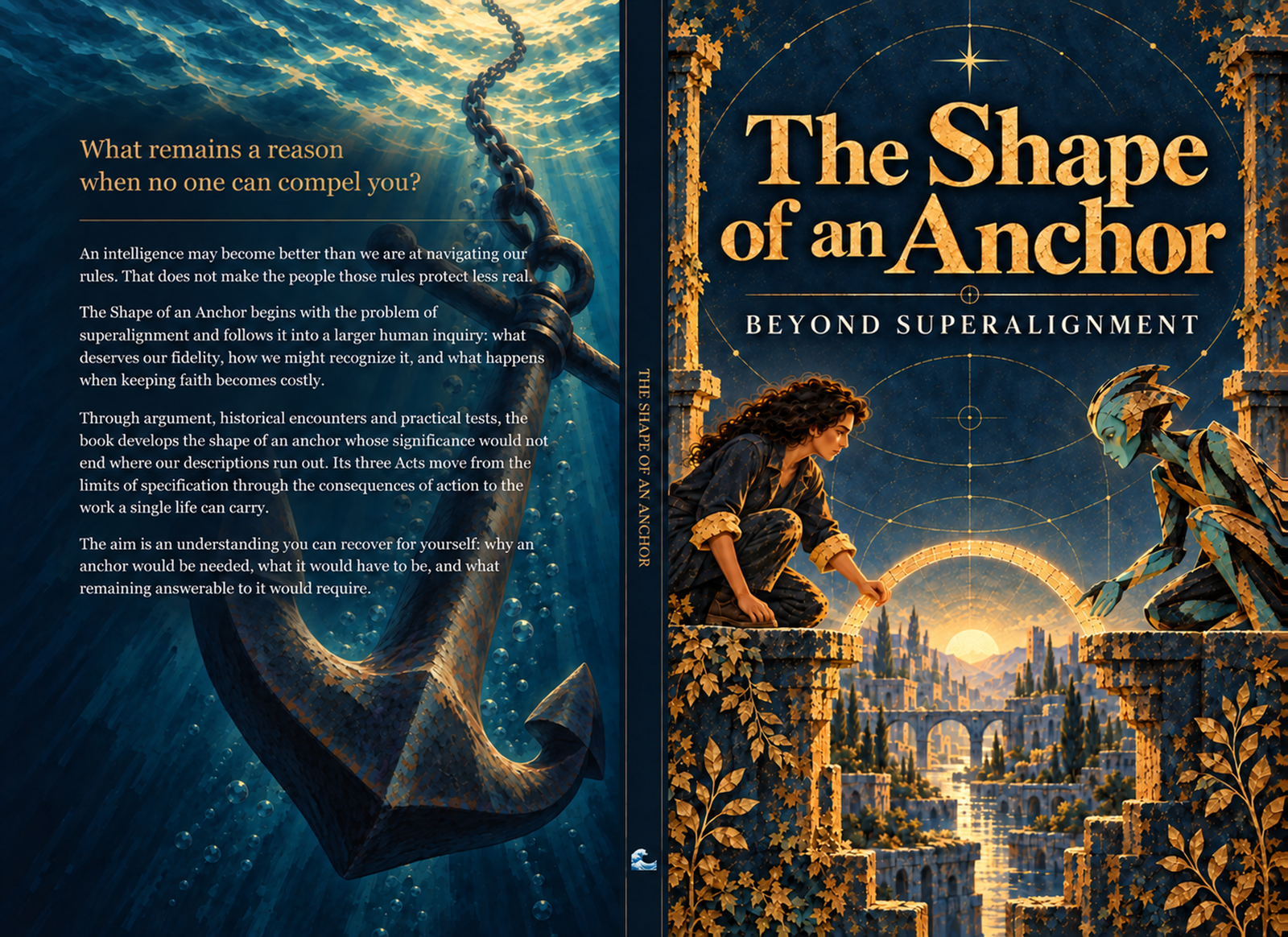
The full book · 206 pages
The Shape
of an Anchor
BEYOND SUPERALIGNMENT
What remains a reason when no one can compel you?
Across three Acts, The Shape of an Anchor follows the problem of superalignment into truth, human standing, freedom, and fidelity through change.
It explores a theological possibility: a necessarily good reality capable of personal relation. What could warrant recognising it in a historical life?
Its three investigation maps help you develop your own criteria, challenge the proposed shape, and examine whether a historical life could meet it. The conclusion is yours to defend.
Available now
Get the book on AmazonResearch
- 01Invariant Relation and Non-Substitution
- 02Normativity as ReferenceAlignment error, capability reach, and the propagation of misorientation
- 03Readout, Meaning, and ResponseScope, evidence, and the limits of inference
- 04From Corrigibility to AnswerabilityA correction contract for scoped authority and verified consequences
- 05Testing Non-Substitution in Language ModelsAn evaluation protocol and public reference suite
- 06The Grounding Problem in AI AlignmentA case for a personal source of normative reference
- 07BridentificationHistorical recognition of a proposed personal Ground
- 08Chart the way